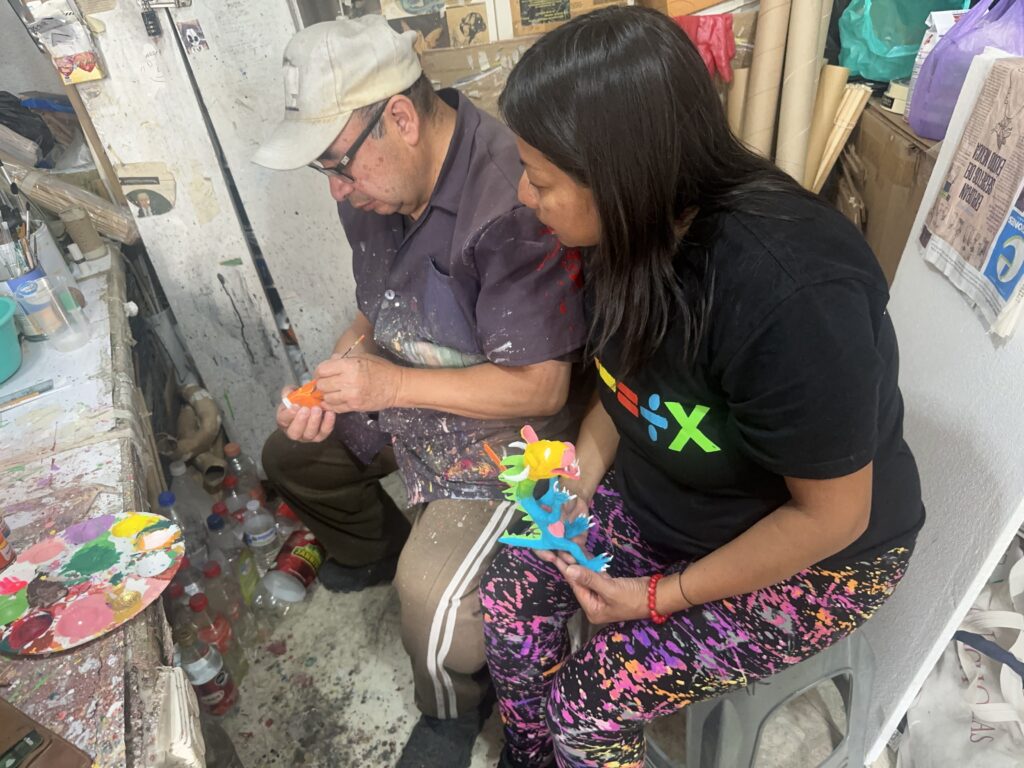
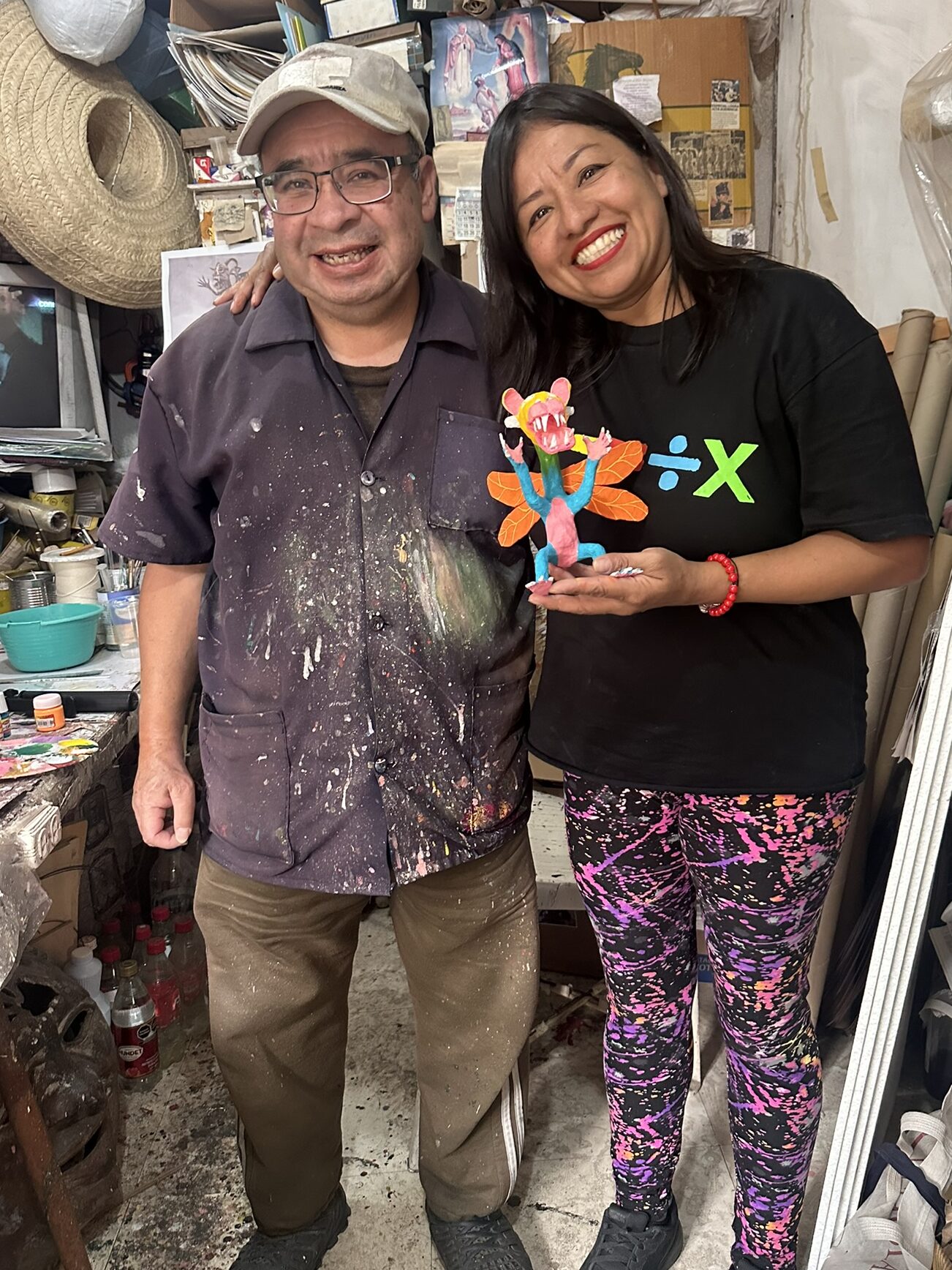
With the support of the Canada Council for the Arts, in Spring 2025, I travelled to Mexico City, my hometown, to begin a mentorship with Maestro Leonardo Linares, grandson of Pedro Linares, creator of the first alebrijes. This was both a dream come true and a profound step in my professional development.
Over two weeks (more than 30 hours), I was guided through the cartonería techniques first developed by Pedro Linares. Unlike the methods I had practiced before, which often used wire, Maestro Leonardo taught me how to construct fantastical creatures using only papier-mâché and homemade flour glue. At first, the process seemed impossible, but with patience, he led me step by step through the traditional method. He encouraged me by saying, “Now you will learn how we do it, and share our legacy with people in Canada.”
I was warmly welcomed into his family’s world—meeting his parents, sharing meals, and working in their rooftop home-studio. Surrounded by stories, tradition, and the smell of flour paste, I immersed myself in the heart of cartonería.
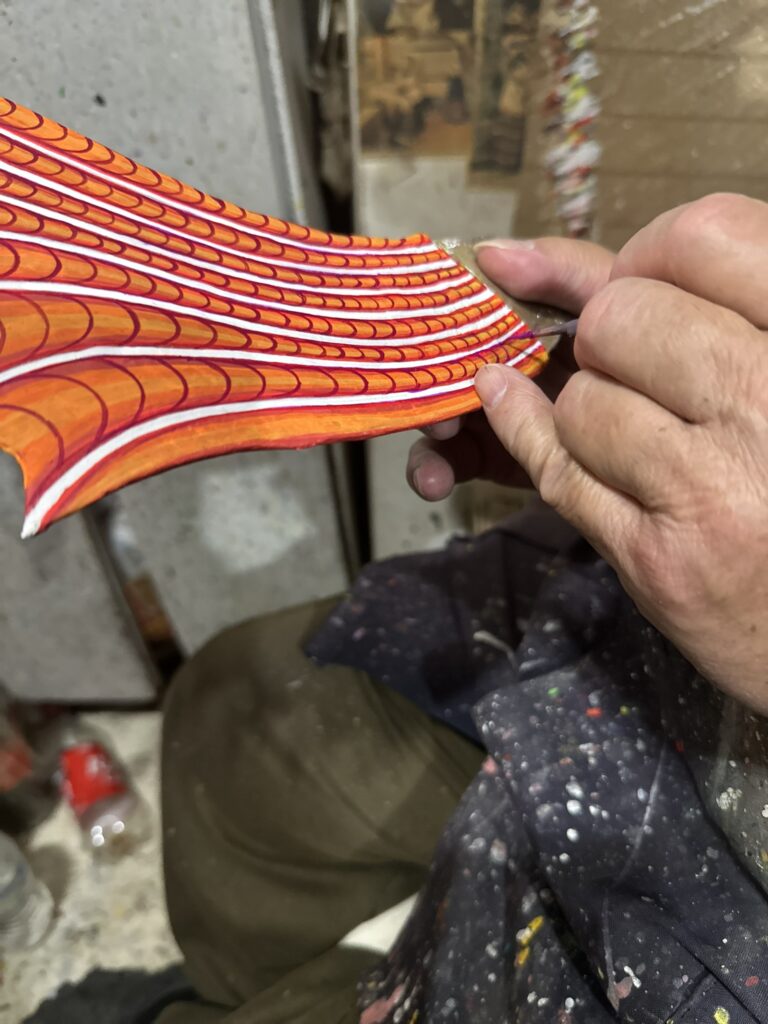
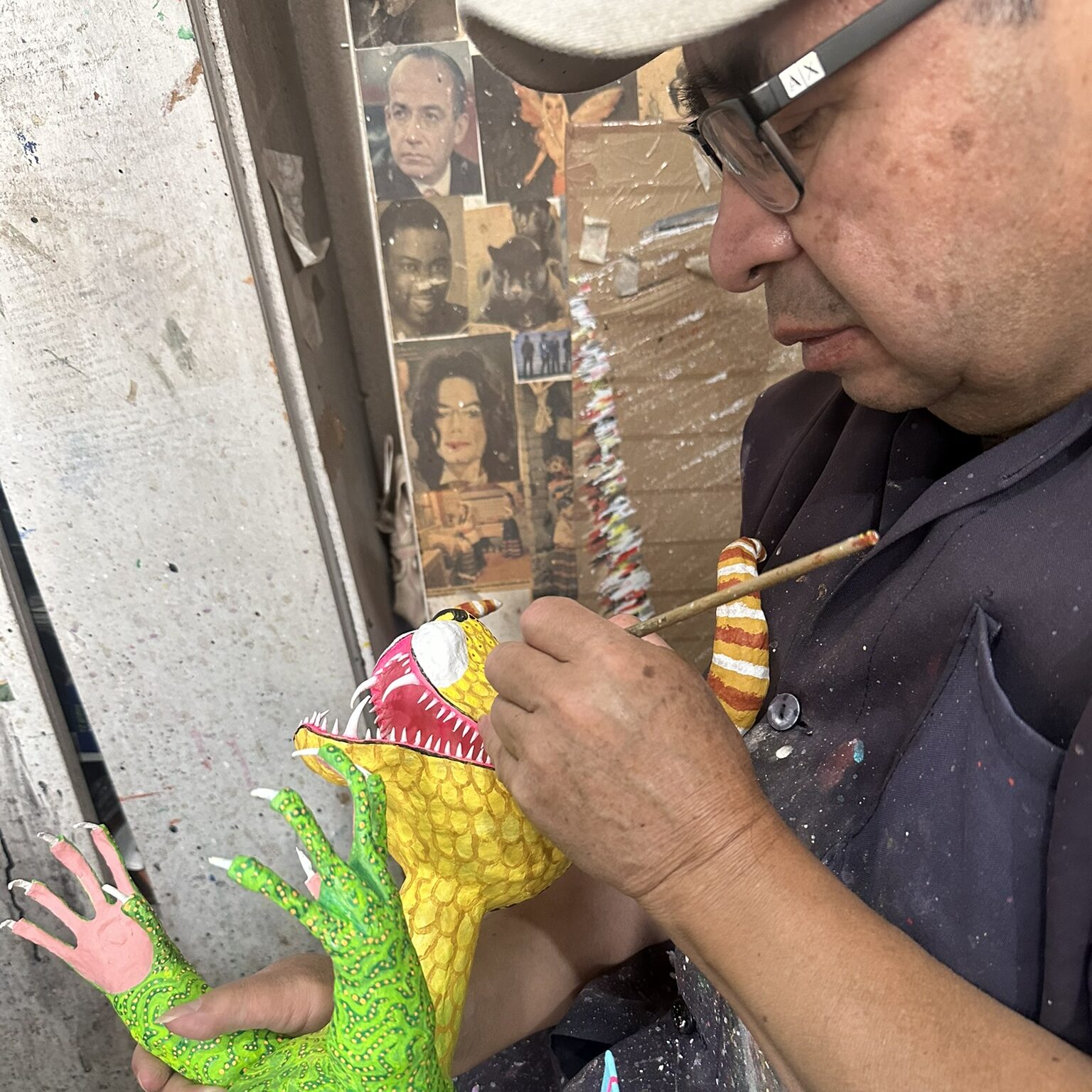
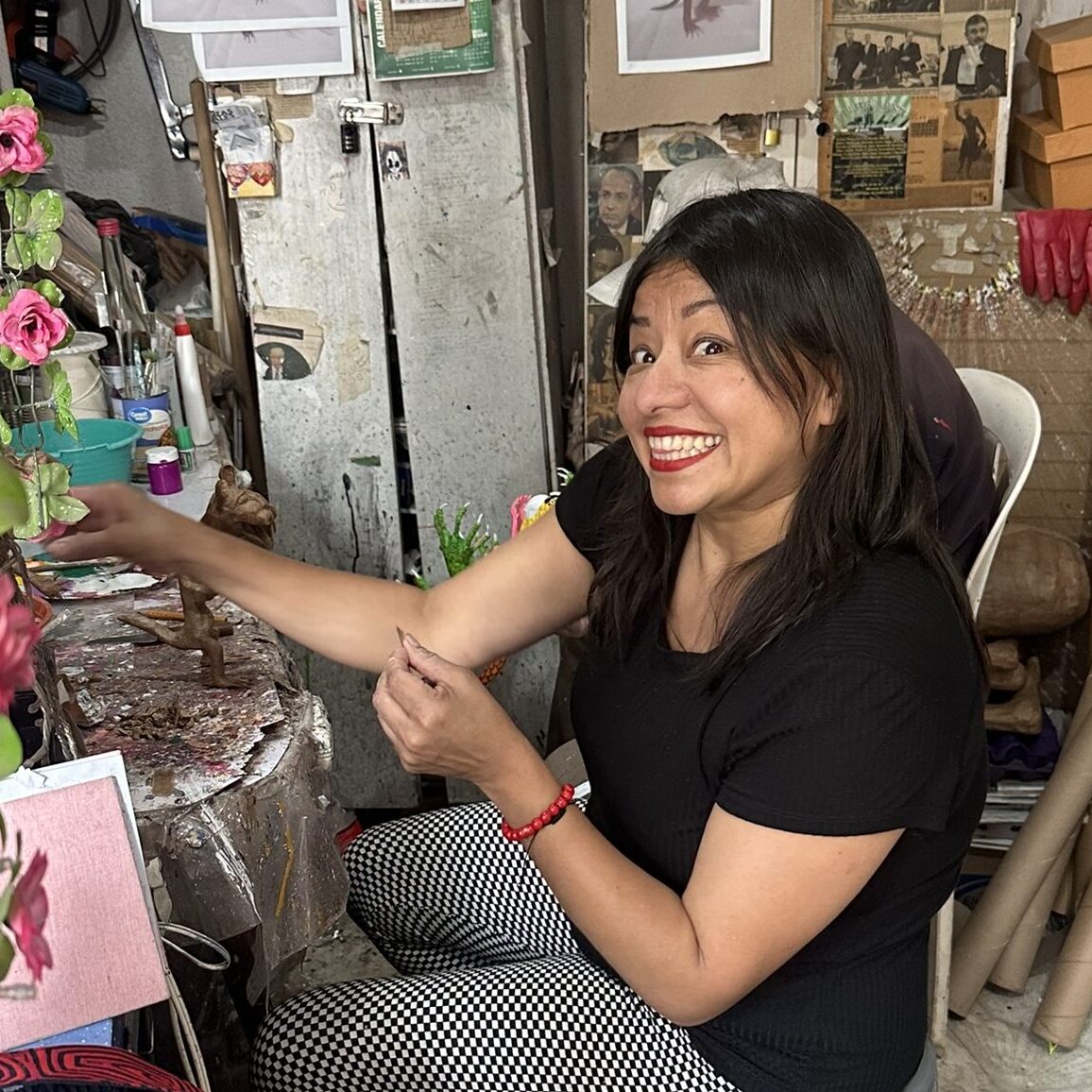
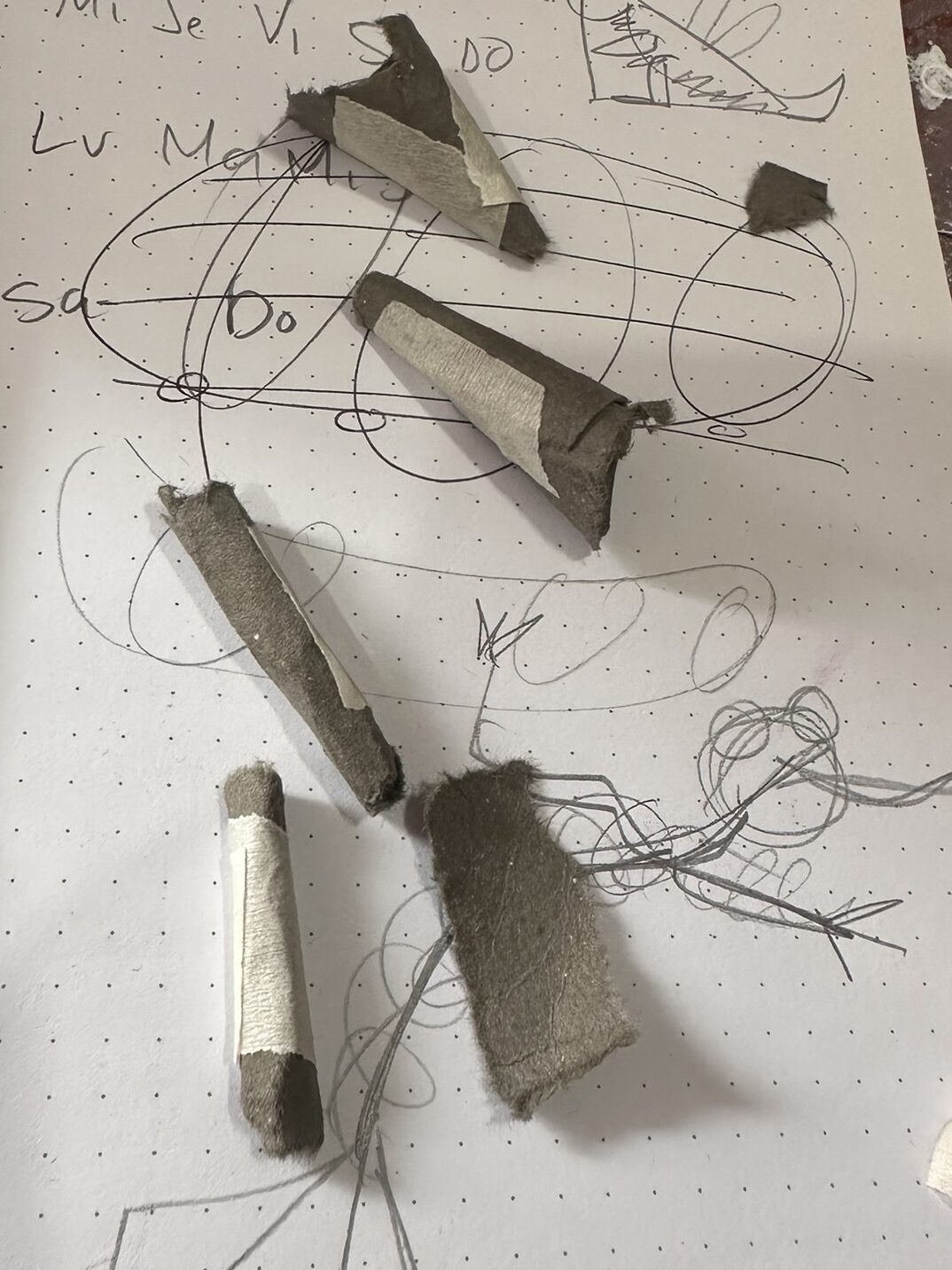
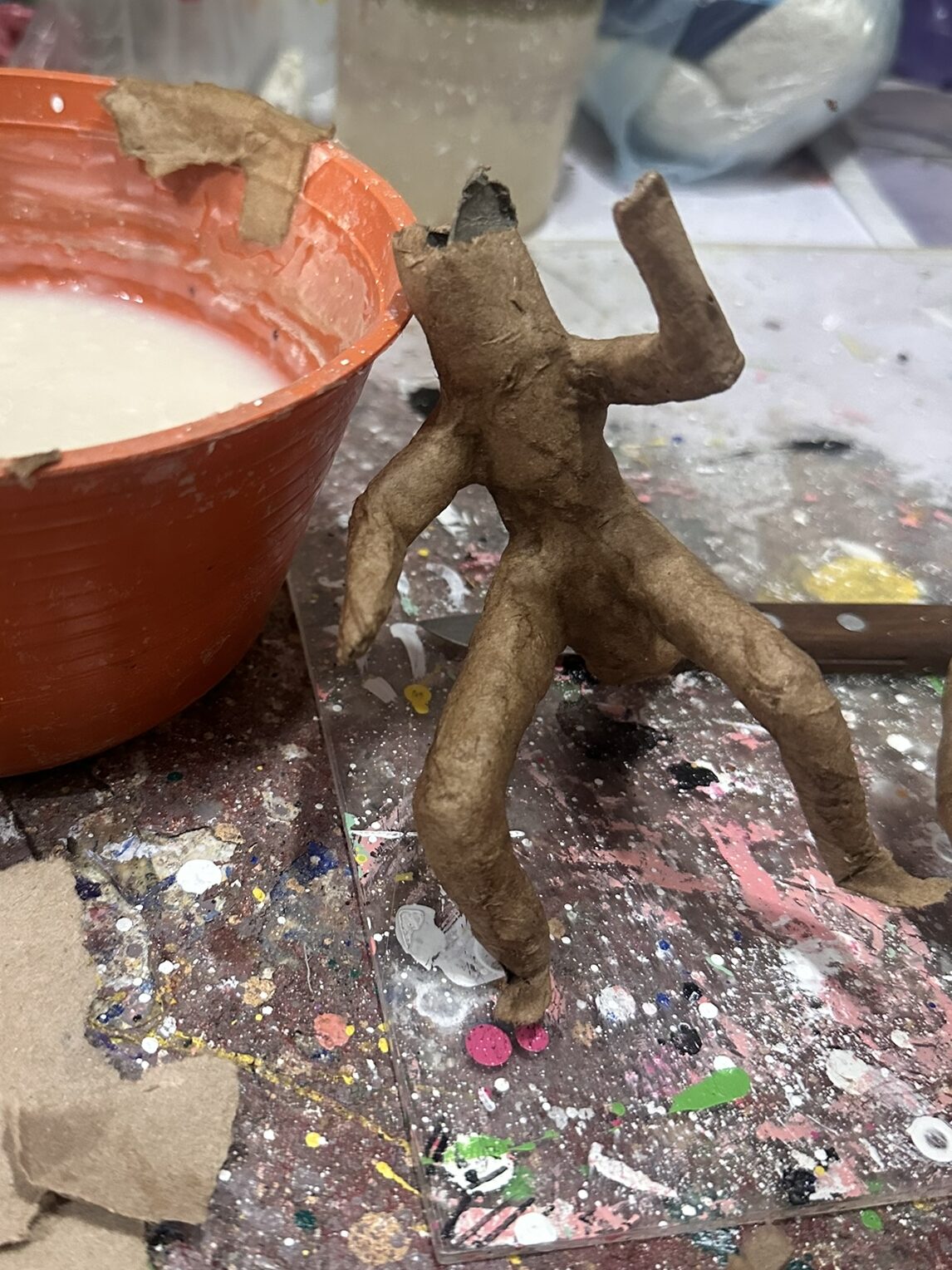
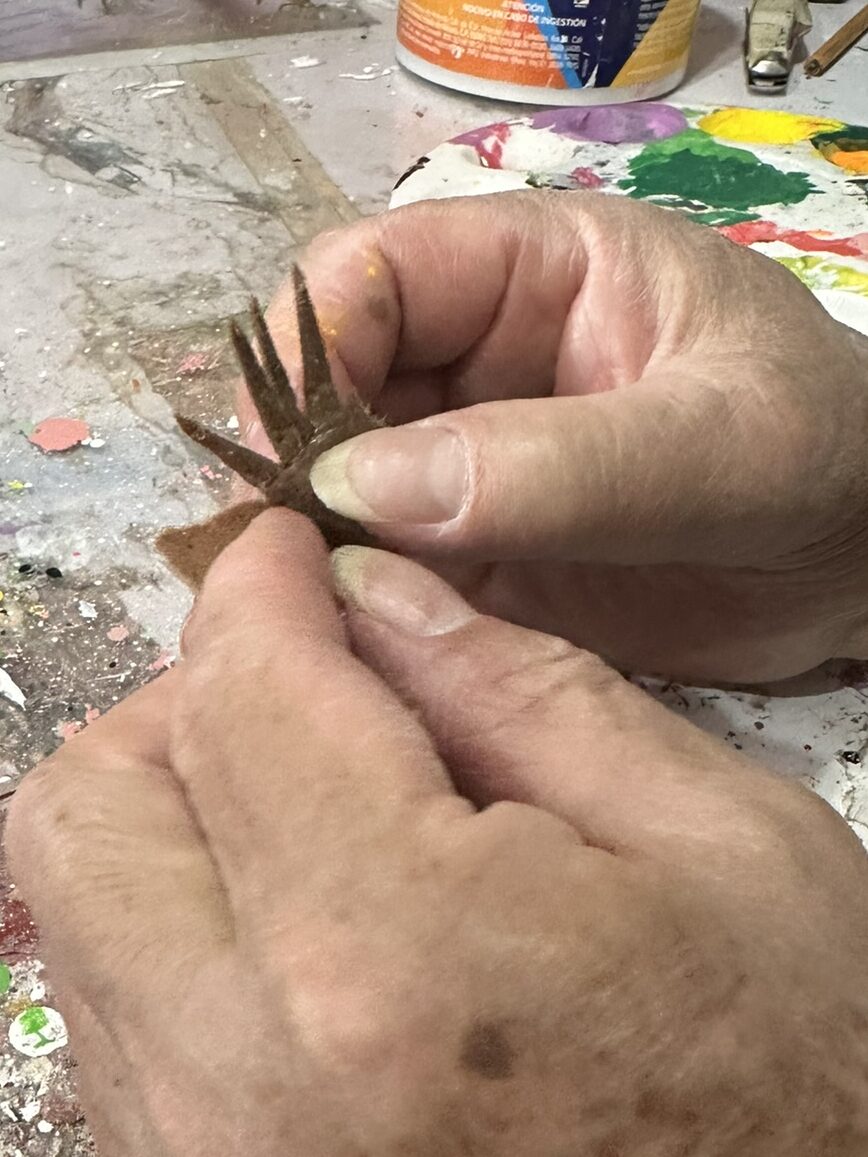
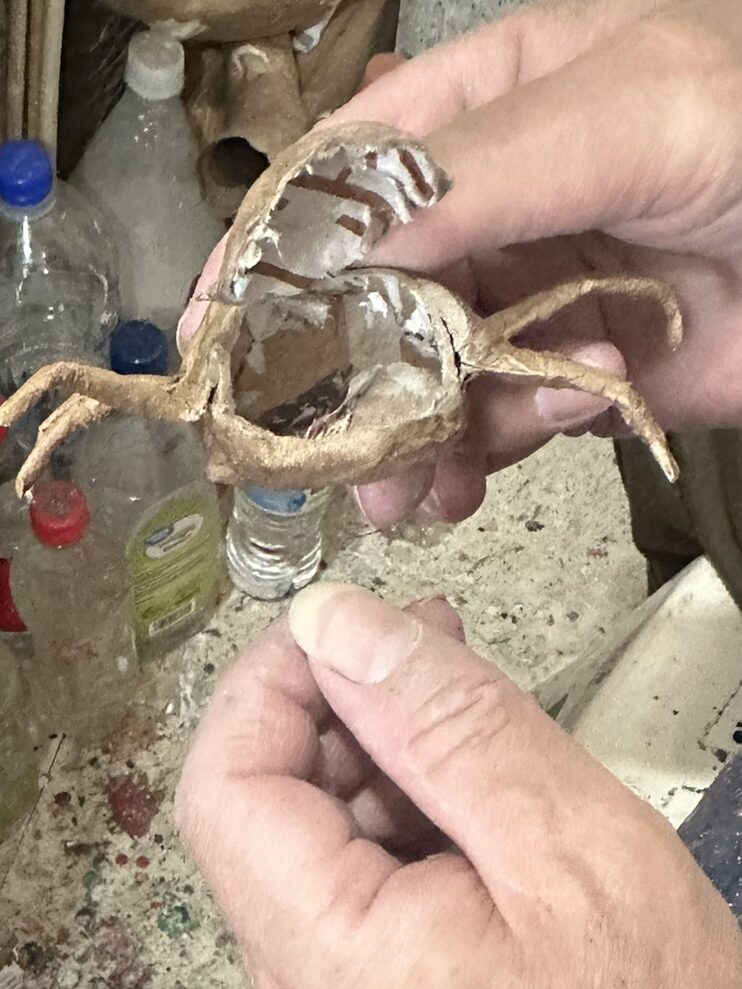
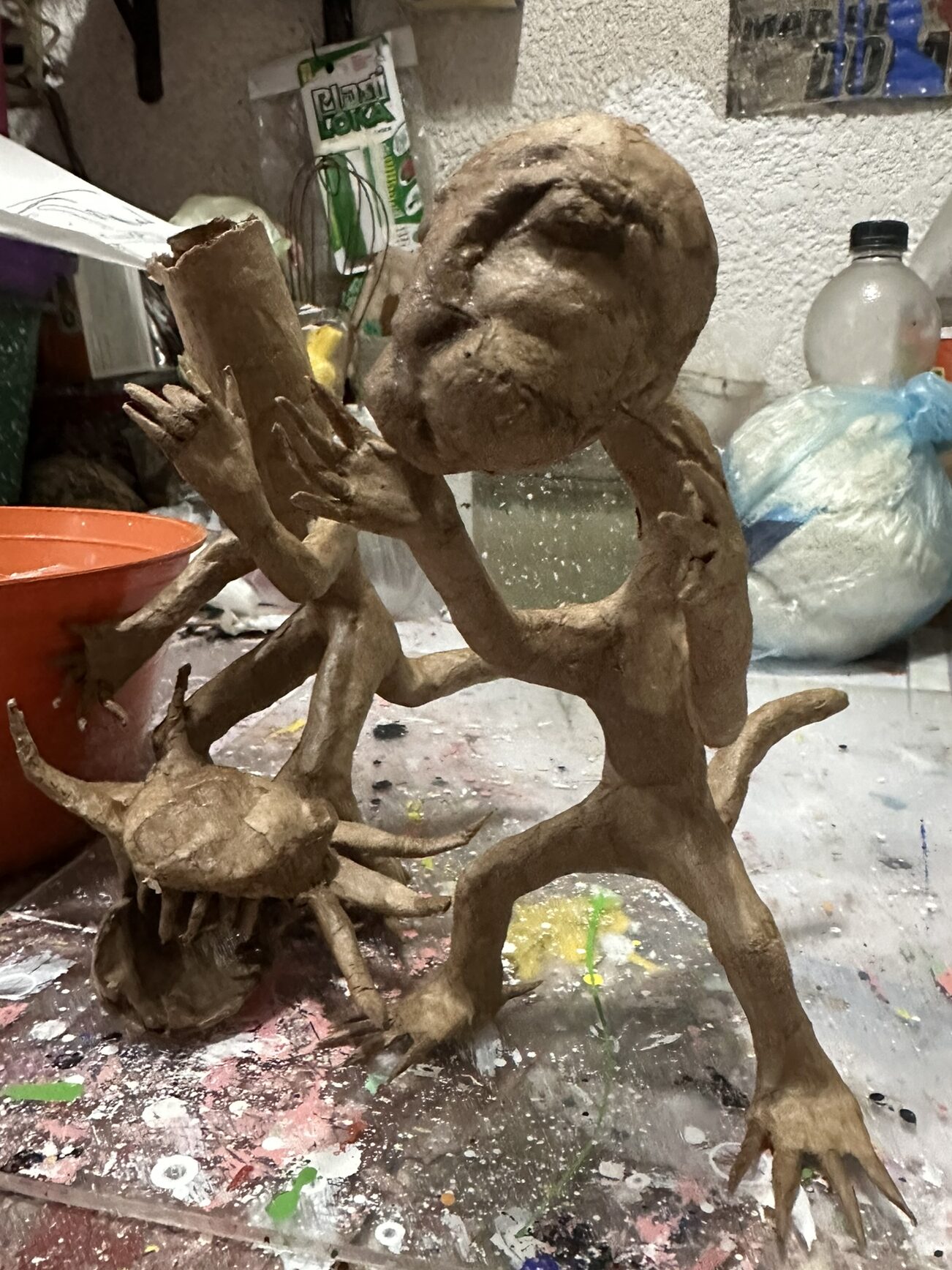
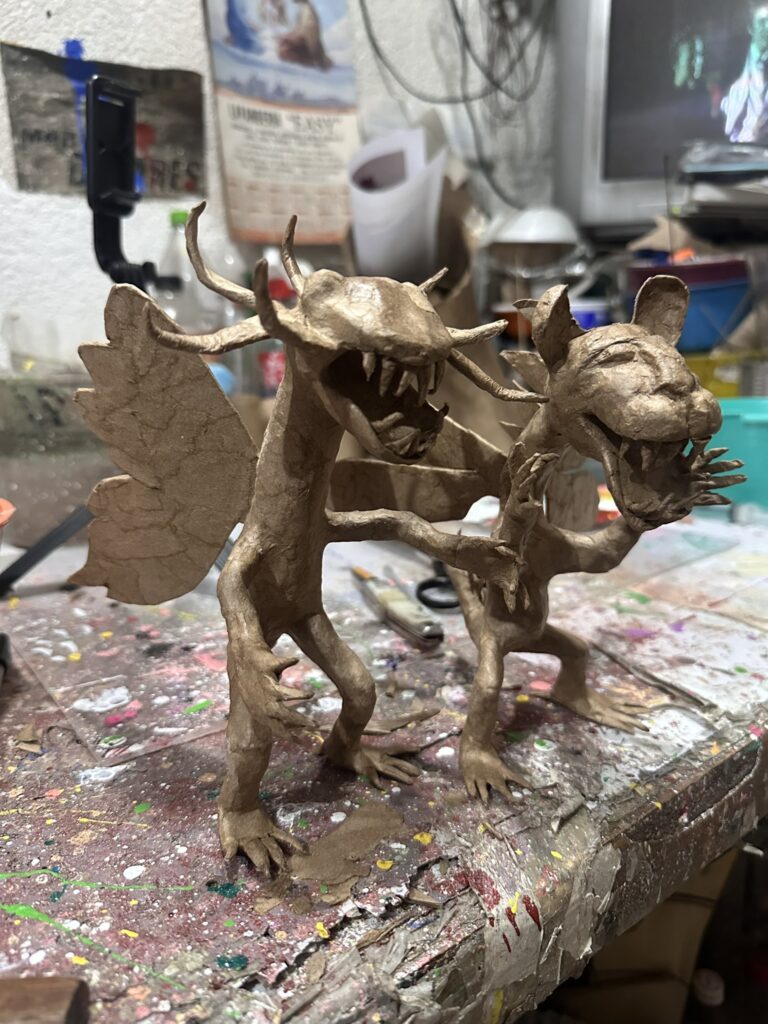
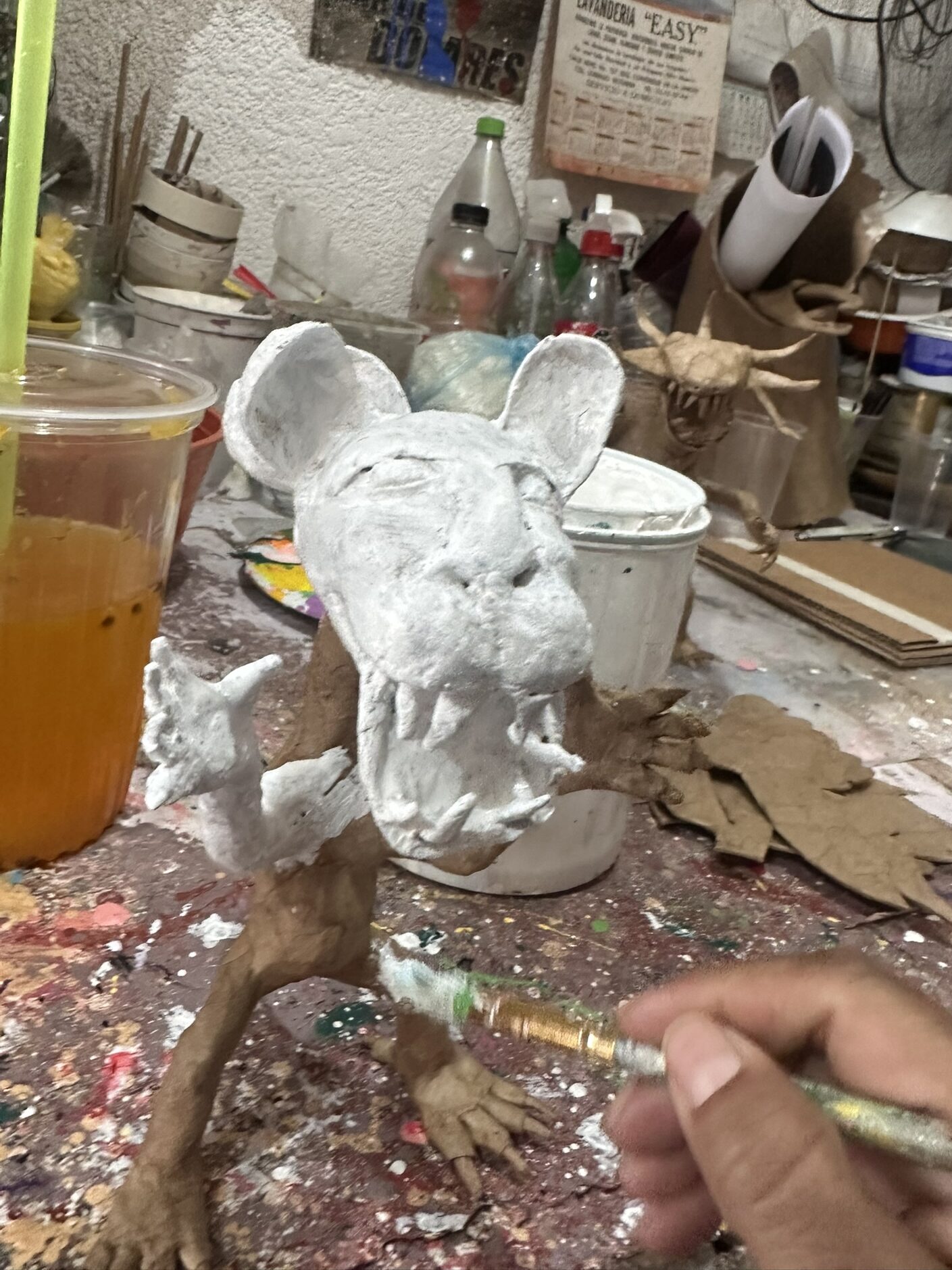
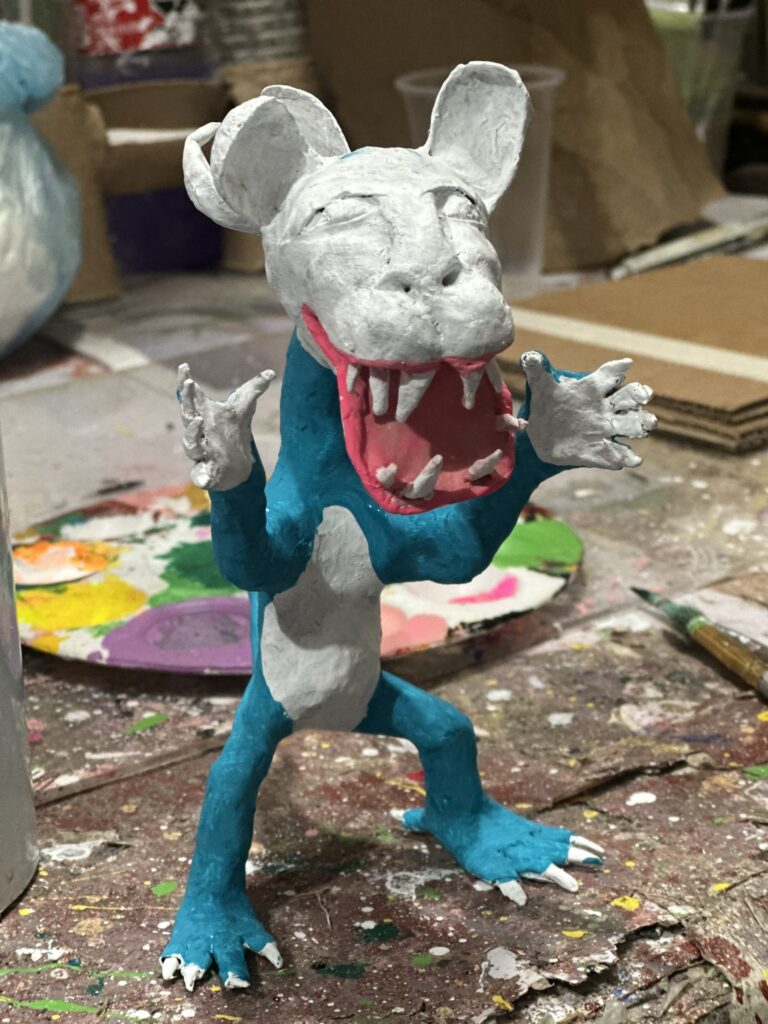
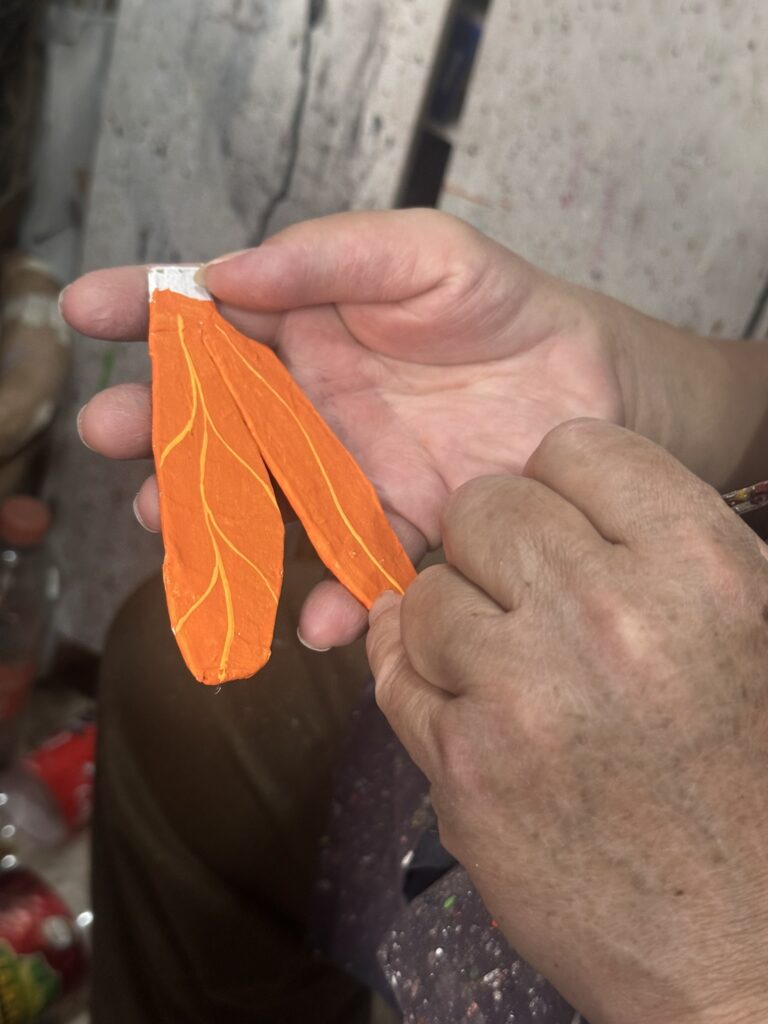
The process began simply, with grey cardboard paper and glue, forming small cones of paper. From there, I built the structure: first arms and legs, then the body. The head was created separately and attached, after which I sculpted the nose, teeth, and eyelids, added volume to the body, and prepared the figure with base colours. Final stages included making small incisions in the back to attach wings that could be removed and reassembled—my first step into exploring articulated creatures. I then sanded the surface and applied gesso to prepare for painting.
This is how the process started, from tiny little cones of paper.
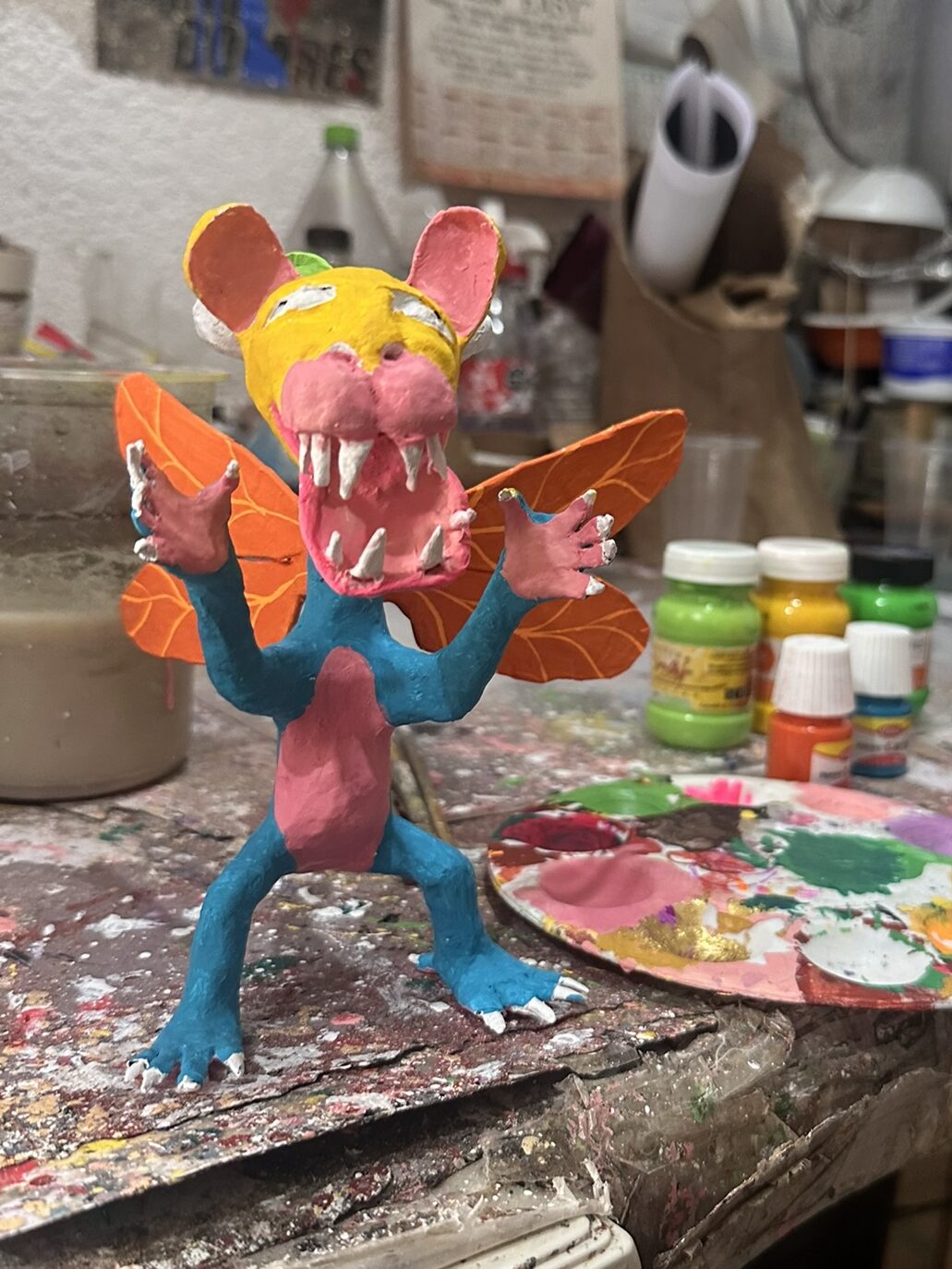
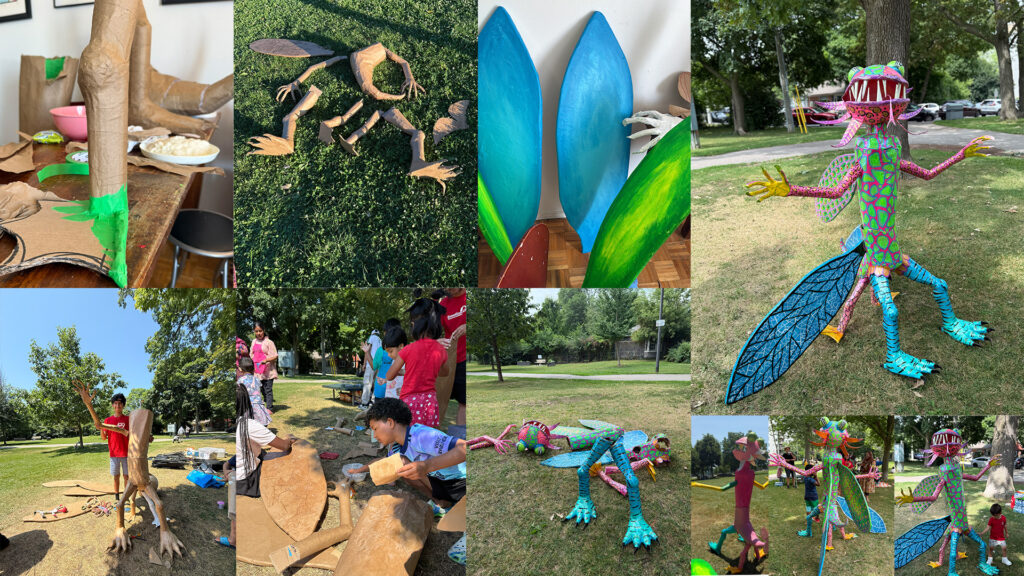
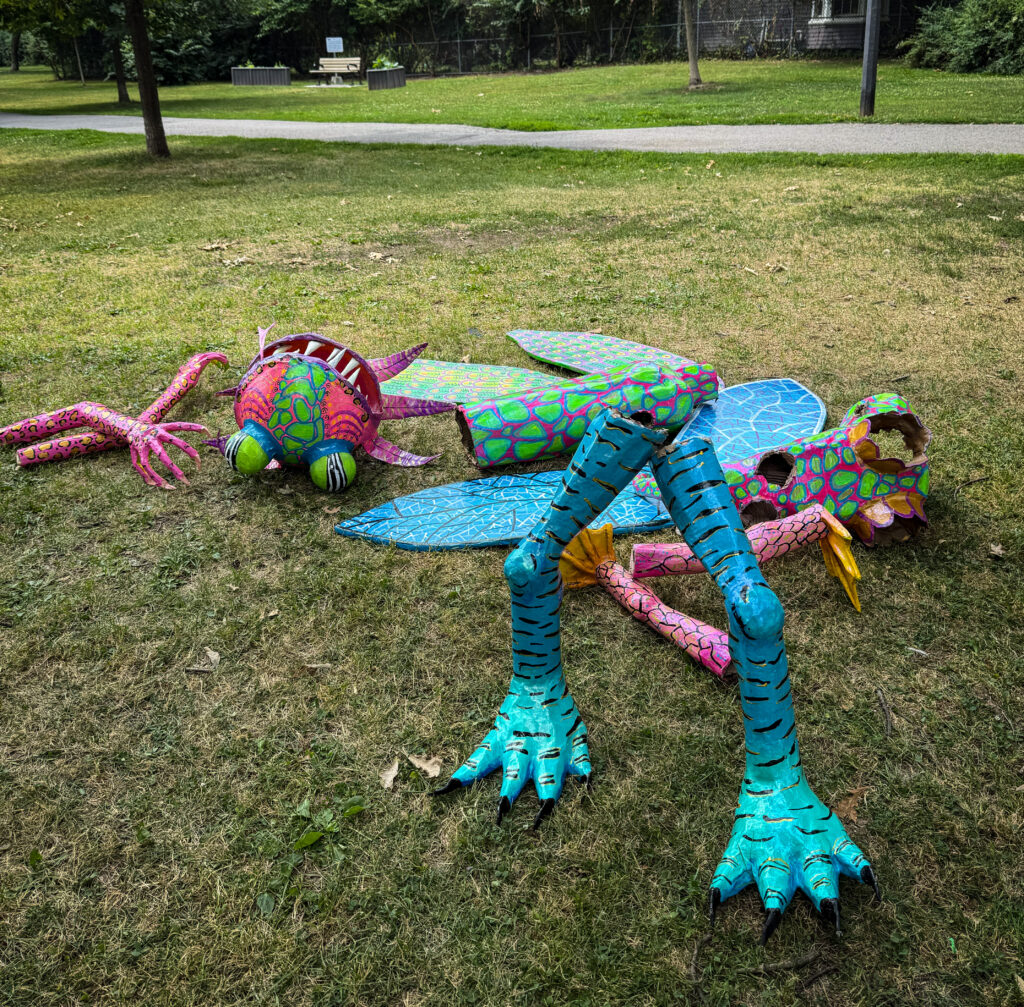
I was able to apply what I learned during this mentorship directly to my next community project: Arts in the Parks in Toronto. There, I worked with participants to create a six-foot-tall alebrije. Inspired by the articulated techniques taught by Maestro Leonardo, the creature was built in detachable pieces that could be assembled, dismantled, and transported easily. This innovation made the project more accessible and collaborative, as different groups could work on separate sections before uniting them into one collective artwork.
Through this mentorship, I not only learned technical mastery but also absorbed the cultural and symbolic dimensions of alebrijes. The experience deepened my connection to this living tradition and strengthened my responsibility to share it with communities in Canada, where I continue to build and teach this art form.